Emotional Baggage Font: A Playful Typeface for Digital Design
In the world of web design, typography plays a critical role in shaping user experience and brand identity. Choosing the right font can transform a simple layout into something that feels alive and emotionally resonant. The Emotional Baggage font is one such typeface that brings character and charm to digital spaces without compromising usability. Designed with a whimsical yet functional spirit, Emotional Baggage adds personality while maintaining readability—key traits for any designer aiming to balance creativity with practicality.
What Makes Emotional Baggage Unique?
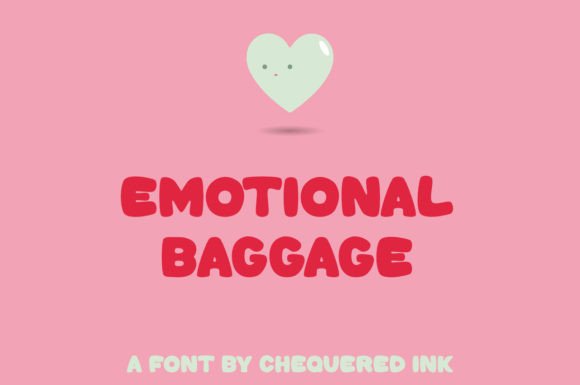
The Emotional Baggage font stands out due to its quirky visual language. Each letter carries a sense of movement and emotion, making it feel more like an illustration than a standard typeface. This playful nature is especially valuable when designing headers, hero sections, or branded content where you want to capture attention quickly and leave a lasting impression.
With subtle variations in stroke weight and organic shapes, the font has a handcrafted feel that’s perfect for adding warmth to otherwise sterile digital environments. It’s not overly ornate, which means it won’t distract from your message, but it does inject just enough whimsy to make your designs stand out. Its irregular spacing and expressive forms work best in larger sizes, giving it a natural home in display settings rather than body copy.
Using Emotional Baggage in Web Design Projects
This decorative typeface shines in specific areas of a website or digital product. Here are some common use cases where Emotional Baggage can elevate your design:
- Hero Sections: Use it for bold headlines that need to evoke emotion and curiosity. The font’s unique energy works well in full-width banners or video intros.
- Landing Pages: Ideal for title blocks or key selling points on conversion-focused pages. Pair it with a clean sans serif for body text to maintain clarity.
- Buttons and CTAs: Short phrases benefit from its expressive style. Just be sure to keep the contrast high for legibility at smaller sizes.
- Portfolio Sites: If you’re showcasing creative work, this font helps set a tone that’s both professional and approachable.
- Blog Headers and Social Media Graphics: Add a touch of personality to your blog titles or Instagram posts without overwhelming the viewer.
- Branded Content and Email Signatures: It can reinforce a brand’s voice—especially if the brand leans toward the artistic, emotional, or lifestyle-driven.
While Emotional Baggage is not intended as a primary body font, it excels as a secondary display typeface. When used correctly, it enhances visual hierarchy by creating contrast with simpler supporting fonts, helping users navigate your content more easily.
Optimizing Readability with Emotional Baggage
Readability is a cornerstone of good web design. Even though Emotional Baggage is a decorative font, its structure supports clear legibility at appropriate sizes. For mobile responsiveness, always test how it looks on smaller screens. Since it’s a display font, avoid using it in tiny sizes for long paragraphs or menus.
Here are some tips to maximize its effectiveness across devices:
- Use it in sizes above 24px for optimal visibility.
- Ensure sufficient contrast against background colors—especially dark or image-heavy ones.
- Avoid overusing alternates unless they serve a stylistic purpose. Too much variation can hurt consistency.
- For buttons or short calls-to-action, keep the line length short and pair it with white space for better scanning.
When placed over images or in parallax sections, consider increasing the letter spacing slightly to prevent blending with the background. Also, don’t hesitate to combine it with a solid baseline grid to maintain rhythm in your layout.
Font Pairing Strategies with Emotional Bag baggage
To create a balanced typographic system, pairing Emotional Baggage with a more neutral font is essential. Think of it as the “emotional” part of your design toolkit—perfect for accents and highlights, but not the main event.
Some effective pairings include:
- Sans Serif Fonts: Clean, modern options like Helvetica Neue or Lato provide a great counterpoint to the font’s organic feel.
- Serif Fonts: For editorial or storytelling layouts, pairing it with a classic serif like Georgia or Merriweather adds depth and sophistication.
- Monospaced Fonts: In tech or SaaS contexts, combining it with a minimalist monospace font like Fira Code or Source Code Pro can create a fun yet professional look.
Remember, the goal is to let Emotional Baggage shine in the right places while ensuring the rest of your typography remains accessible and easy to read. Avoid clashing styles; instead, aim for harmony between playfulness and clarity.
Building Brand Identity with Emotional Typography
Typography is a core element of brand identity. The right font choice can communicate values, tone, and personality before a single word is even read. Emotional Baggage is particularly useful for brands that want to express creativity, humor, or a human-centered approach.
Consider using it in:
- Logo taglines or subheadings
- Introductory welcome messages
- Section headers on about pages or team bios
- Quotations or testimonials to add emotional emphasis
For example, a boutique online store could use Emotional Baggage for product categories or seasonal promotions to create a warm and inviting atmosphere. A coaching website might incorporate it into key insights or motivational statements to reflect authenticity and relatability.
Practical Applications in Real Projects
Let’s explore a few scenarios where Emotional Baggage can bring value:
Creative Portfolio Site: Showcase your personal style with a header that uses Emotional Baggage. Pair it with a structured sans serif for project descriptions to highlight the contrast between creativity and professionalism.
Product Landing Page: Use it in the hero title for a new app or service that focuses on mental health, mindfulness, or community. The font’s name alone suggests a theme that could resonate with users looking for emotional connection.
Course Sales Page: Apply it to section headings like “Why You Need This Course” or “Your Journey Starts Here.” It adds a friendly, conversational tone that can boost engagement and trust.
Boutique Online Store: Feature it in banner headlines or category labels to create a sense of individuality and charm. It pairs beautifully with soft pastel tones and hand-drawn illustrations.
Digital Brand Kit: Incorporate it as a signature accent font for social media templates, email headers, or promotional graphics. Just ensure it doesn’t dominate the kit and stays aligned with the overall brand voice.
Technical Considerations and Licensing
Before implementing Emotional Baggage into a live project, check the included file formats (like TTF, OTF, or WOFF) and confirm whether it offers webfont support. Responsive design often requires scalable formats that render smoothly across all devices.
Also, verify the licensing terms if you plan to use it commercially. Many premium fonts require proper licensing for websites, client projects, online stores, and digital assets. Make sure the license covers your intended usage, including server-side rendering or dynamic content generation if applicable.
If you’re working with a team or clients, it’s wise to document the font usage clearly in your design specs. Include details like weights available, alternate glyphs, and recommended minimum sizes to ensure consistent application across platforms.
Creating Visual Hierarchy with Decorative Fonts
Decorative fonts like Emotional Baggage help establish visual hierarchy when used strategically. They draw the eye naturally and can guide users through your content by highlighting what matters most. However, they should never replace your base type system—they should enhance it.
When building a site layout, consider these principles:
- Limit Emotional Baggage to one level of heading per page to maintain focus.
- Use it sparingly in navigation bars or sidebars to avoid clutter.
- Apply it to quotes, testimonials, or featured content to emphasize tone and sentiment.
- Keep it within a consistent color palette to align with your brand’s aesthetic.
By integrating it into the right parts of your layout, you can create a sense of rhythm and flow that keeps users engaged without confusing them.
Final Touches for a Polished Look
To get the most out of Emotional Baggage, consider how it interacts with other design elements. Does it complement your iconography? Does it scale well in animations or hover states? Test it across different screen sizes and browsers to ensure it maintains its character without breaking layout integrity.
When using it on light backgrounds, opt for a darker shade to preserve legibility. On dark themes, a lighter version may give it a softer, more elegant appearance. Always review how it looks in print or static exports if you’re using it in marketing materials or PDF downloads.
Ultimately, Emotional Baggage isn’t just another decorative font—it’s a tool that can enrich your brand’s digital presence when used thoughtfully. Whether you’re designing a landing page for a new startup or crafting a personal blog, this typeface can add the emotional nuance your audience needs to connect with your message.